Cabins Above the Tree Line, Built by Hand
Step into the world of hand-built Alpine cabins, where precise timber joinery, heat-soaking masonry stoves, and thoughtful passive design let life flourish at high altitude. We’ll explore practical methods, material choices, and real mistakes turned lessons, gathered from snowbound ridges and sheltered valleys. Expect warmth, science, and stories you can use. Join the conversation, ask questions, and share your own hard-won tricks from mountain projects or winter shelters you admire.

Choosing Mountain Timber

Alpine larch, spruce, and stone pine each carry different gifts: resin that shrugs off weather, fibers that hold pegs, scents that calm cold nights. Select slow-grown boards, quarter-sawn where possible, and season them gently under deep eaves. Consider moon-felled lore if local practice trusts it, then verify moisture with a meter, because romance earns its place only when measurements agree.

Reading the Slope and Wind

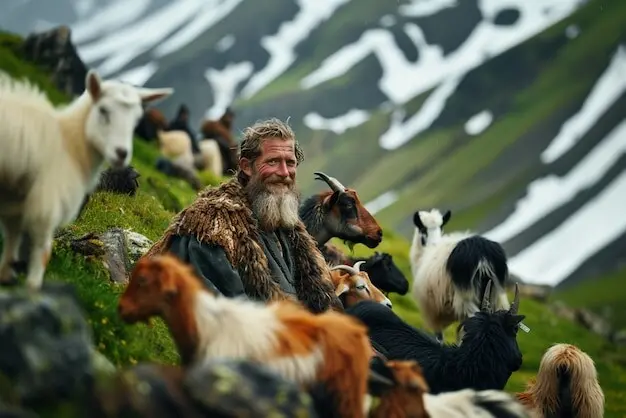
North winds will knife through valleys while afternoon thermals tumble from cirques; both shape doors, porches, and the way smoke leaves. Walk the site in storms, map drifts, and watch where goats sleep. Avoid avalanche runouts, choose lee-side notches for service doors, and plant the main glazing where winter sun lingers longest without blinding reflection from the surrounding snowfields.

Joinery That Holds When Snow Groans

Connections must forgive movement while refusing failure. Mortise-and-tenon frames, housed dovetails, and long scarf joints ride shrink-swell cycles without surrendering to racking winds. Peg spacing, relish lengths, and bearing surfaces matter more when roofs carry tons of frozen silence. We’ll compare details and tolerances that have proven themselves in creaking nights, then invite your sketches, victories, and near-misses for others to learn from.

Masonry Stoves: Slow Heat, Deep Comfort

Beyond flickering romance, massive heaters convert short, clean fires into hours of radiant calm. Labyrinthine flues harvest energy, brick by brick, as gases slow and surrender warmth to dense cores. Correct chimney height, door seals, and charge cycles matter at altitude. We’ll map options from kachelofen traditions to modern cores, swapping recipes and photographs of soot-free baking days and nap-inducing evenings.

Sun Angles, Snow Glare, and Overhangs

At solstice, low arcs beg for deep sills and precisely sized eyebrow overhangs that shield March glare without stealing December warmth. Model with a cardboard mockup or software; confirm outside with chalk and shadows. Consider snow albedo that doubles brightness. Pair interior mass where sun lands, and add exterior blinds that survive gales while your tea still steams comfortably indoors.

Airtight Shells and Fresh Air

High-performance gaskets, taped sheathing, and meticulous service penetrations make storms irrelevant, but fresh lungs still need exchange. Choose HRVs rated for frost, mount drains where you can reach them with mittens, and insulate ducts in unheated zones. Commission systems with smoke pencils, track CO2 in winter gatherings, and keep a guest log of how quiet comfort changes visiting skeptics’ opinions.

Anchors, Roofs, and Skins That Last

Stone footings keyed to bedrock, forgiving drainage layers, and ventilated claddings keep cabins standing when frost heaves, snow creeps, and summer hail test patience. Combine traditional craft with modern membranes thoughtfully, documenting each hidden layer for future caretakers. We’ll compare roof pitches, snow guards, and underlayments that earn decades of quiet service, and invite your maintenance calendars, cautionary photos, and hard-learned leak autopsies.

Footings on Rock, Frost, and Drainage

On solid rock, pin sills with stainless or hot-dipped anchors, isolate with capillary breaks, and slope away relentless meltwater. Where soils move, use frost-protected shallow foundations, geotextiles, and uncompacted drainage fields. Skirt the perimeter with breathable gravel, not concrete aprons. Photograph layers before burial, label cleanouts, and create a spring ritual so thaw surprises meet a checklist, not panic.

Roofs for Drifts and Avalanches

Steep pitches shed gracefully, but only when valleys and entries are protected from sliding slabs. Standing-seam metal with clipped snow guards directs movement, while timber purlins sized for extraordinary drift loads buy time in rare winters. Ventilate beneath to dry, ice-shield eaves generously, and choreograph paths so nobody lingers under release zones when sun returns and cornices begin whispering.

Breathable Walls That Dry Fast

Rainscreens with continuous air gaps, wood fiber or mineral wool insulation, and vapor-open but water-shedding wraps let storms rage while assemblies quietly dry. Use larch shingles, charred cladding, or limewash for resilience and grace. Flash windows like religion. Track drying curves with cheap sensors, publish anomalies, and help the next caretaker understand why tiny gaps are lifelines, not mistakes.
Off-Grid Habits and Mountain Resilience
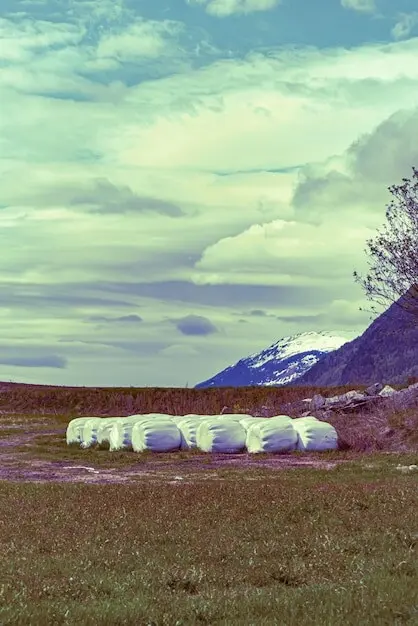
Water, power, and fire routines shape reliable comfort when roads close. Gravity systems, photovoltaic arrays that love cold air, and well-seasoned firewood create independence without drama. Batteries need warmth; pipes demand foresight; humans thrive on checklists. We’ll share templates for winter readiness, backups for backups, and neighborly pacts. Add your strategies, sign up for updates, and help others avoid repeating expensive lessons.
Bury supply lines below frost, wrap exposed runs with aerogel or wool, and design gravity-fed branches with clean shutoffs and drains. Collect meltwater from metal roofs into insulated cisterns, then filter at the tap. Label valves with tags readable in headlamps. Create a draining ritual before departures, and invite readers to share diagrams that prevented burst pipes during unforgettable cold snaps.
Photovoltaics produce better in crisp air, yet batteries shiver. Tilt panels steep for winter sun and snow self-clearing, ventilate backs for performance, and warm lithium packs with small, efficient heaters. Monitor state of charge against predicted storms, and train guests to schedule heavy loads at midday. Post your favorite controller settings so our readers can copy what actually works.
Kavikarosentozentolori
Privacy Overview

This website uses cookies so that we can provide you with the best user experience possible. Cookie information is stored in your browser and performs functions such as recognising you when you return to our website and helping our team to understand which sections of the website you find most interesting and useful.