
From High Pastures to Heirloom Cloth
Spring: New Life, Gentle Handling
Summer: High Pastures and Moving Camps
Autumn and Early Winter: Return and Readiness
The Feel of Fiber: From Fleece to Spinning
Skirting and Washing with Care
Carding, Combing, and the Language of Crimp
Colors of the Range: Natural Dyes and Local Plants
Gathering and Seasonality
Harvest early on dry mornings, when colorants concentrate and petals still hold fragrance. Record altitude, plant part, and weather, because a July weld patch sings brighter than September stalks. Take lightly, leave seed, and thank the land; responsible gathering ensures tomorrow’s dyepot still brims with honest, generous color.
Mordants, Metals, and Mountain Water
Alum lifts clarity and light; iron saddens tones into stormy olives and pewters; copper warms secret teals. Test local water first, noting hardness and pH, because glacial melt behaves unlike limestone wells. Keep safe practices, ventilate, label jars, and dispose mindfully, protecting streams where sheep drink and children play.
On the Loom: Weaving Warmth and Structure
Warping Without Knots in Your Stomach
Count threads aloud, tie choke ties, and use lease sticks to preserve order through every cross. Pre-sley to test density, then beam under even tension with paper or sticks. Patient preparation prevents tangles, broken ends, and frustration, giving you freedom to focus on rhythm, color, and quiet musical progress.
Weaves for Weather and Wear
Twill bends around elbows without breaking, plain weave breathes under coats, and basket structures cushion soles in homemade slippers. Sampling determines sett, beat, and finishing, so mountain garments neither sag nor chafe. Pick yarns for purpose, respecting abrasion, pilling, and memory, then weave with confident hands tuned to usefulness.
Finishing: Fulling, Pressing, and Air
Warm water, soap, and controlled agitation full twill into wind-ready fabric known for quiet strength. Rinse until clear, rest flat, and press with a cloth to tame shine. Let pieces dry in mountain air or near pine boards, finishing with brushing that lifts nap and welcomes winter.
A Shepherd’s Dawn Beneath the Glacier
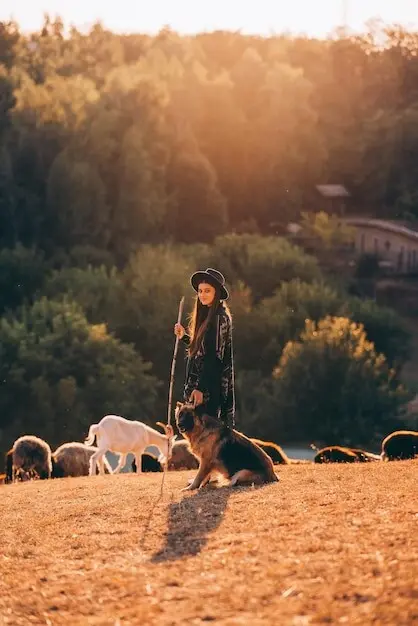
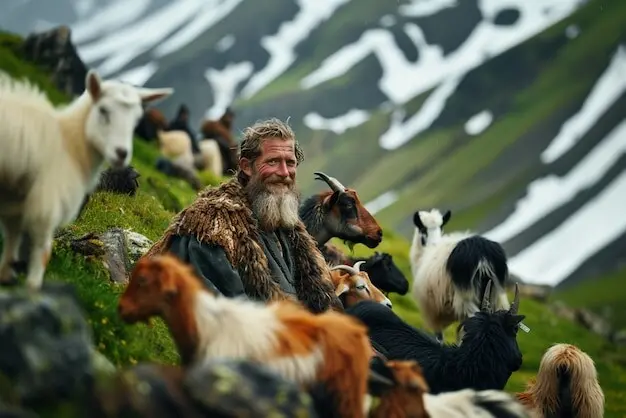
Before pink light touches seracs, boots find frozen ruts and breath turns silver. An old dog circles ewes, counting by scent. Coffee steams beside a repair kit, because fences argue with wind. By breakfast, lambs wobble toward milk, and fear eases into gratitude stitched through wool and weather.
A Dyer’s Garden by the Stone Wall
Madder crowns push through straw, weld stalks glow, and chamomile laughs in gravel. Buckets soak walnut hulls while a grandmother weighs skeins with a flour scale. Morning shadows cool alum pots; afternoon breezes carry gossip. By evening, clotheslines sing banners of color, and notes fill a flour-dusted ledger.
The Weaver’s Bench in a Snowy Attic
Night settles around rafters, and the shuttle’s whisper keeps company with frost. A child counts treadles, learning arithmetic through rhythm. Mistakes pause progress, then teach tension, patience, and laughter. When the cloth unrolls warm across knees, the room smells of pine, wool, and futures someone can finally hold.
Sustainability and Community: Keeping Craft Alive
Ethics Among Teeth and Thistle
Guardian dogs, sturdy fences, and attentive schedules protect sheep without poisoning ecosystems. Rotational grazing keeps pastures vigorous, preventing erosion and overgrazing on fragile slopes. Choose shearing that minimizes stress, and value certifications that audit welfare honestly. When animals thrive, fiber quality rises, communities prosper, and wild neighbors keep their ancient pathways.
Circularity in Wool and Water
Skirtings become felted insoles and garden mats; lanolin-rich scours turn into gentle soaps. Dye baths are cooled and reused, while greywater irrigates dye plants through gravel filters. Solar-heated vats reduce firewood needs. Keep meticulous logs, and share them openly, so small adjustments ripple outward into measurable, hopeful change.
Learning Together, Near and Far
Host pasture walks, dye days, and weaving bees, then post process notes, mishaps, and costs for everyone to study. Pair apprentices with elders who remember storms before cell towers. Join online groups exchanging swatches and drafts. Comment below, subscribe for fresh field notes, and help map a living, shared archive.
All Rights Reserved.